
How To Weave In Crochet Ends
How To Weave In Crochet Ends - Run that needle through a couple stitches, change directions and run it vertically, then weave it in the opposite direction. A good method of weaving in ends is to run the end under several stitches, then reverse the direction and weave it back under several more stitches. Insert your hook through the stitches, working towards the end that you would like to weave in. A tapestry needle, finished crochet project and scissors. Remember to always weave on the wrong side of the work. Web most crochet patterns include some variation of the instruction weave in your ends, weave in your loose ends, or weave in any remaining ends. every crochet enthusiast needs to know how to do this. Web how i weave in ends to weave in ends like nonna taught me, follow these steps: Web weave horizontally in the opposite direction. Some people prefer curved tip needles, bent tip needles, tapestry needles, and some like the plastic needles like these. Hi i'm donna wolfe from naztazia. The best way to weave in ends is to use a tapestry needle and thread the yarn tail behind a few stitches. One thing for sure is that by weaving each end three times in. In the round, still, end off at the end of the round. Some people prefer curved tip needles, bent tip needles, tapestry needles, and some like the plastic needles like these. How do you weave in your yarn ends and finish your project? Web most crochet patterns include some variation of the instruction weave in your ends, weave in your loose ends, or weave in any remaining ends. every crochet enthusiast needs to know how to do this. A good method of weaving in ends is to run the end under several stitches, then reverse the direction and weave it back under several more stitches. Thread the yarn tail through the eye of your chosen tapestry needle.if you’re struggling, try using a needle threader. Web how do you weave in your yarn ends in crochet so they don't come undone? Use whichever one you prefer. That creates a more secure hold, even though it takes longer and is double the work. You have to get used to hold the crochet project in a way that keeps the yarn ends running along with it. Crocheting over your ends so that you hide them inside your stitches. After you have found your preferred darning needle, you are. Insert your hook through the stitches, working towards the end that you would like to weave in. When you are done with your last crochet stitch, you can secure the yarn with a slip stitch and then cut it. Then you have literally no ends to weave in. A good method of weaving in ends is to run the end. After you have found your preferred darning needle, you are ready to start weaving your yarn ends in. I typically use a yarn needle to weave in my ends, but it can also be done with a crochet hook or the clover snag repair needle. The best way to weave in ends is to use a tapestry needle and thread. Web weaving in the ends of your crochet projects is an essential step to make sure that your work looks professional and stays together for years to come. Web i thought i'd share today on the blog my favorite way of weaving in ends for my crochet projects. Hi i'm donna wolfe from naztazia. Next, weave in your split ends. Web 3 tools for weaving in ends. Trim the end close to the work. Be sure you have 6 to 8 inches of a tail to use for weaving—no less. A tapestry needle, finished crochet project and scissors. Not many tools are needed: Going up and down and side to side will help to lock that baby in. Then, you grab the loose end and draw it through those stitches. How do you weave in your yarn ends and finish your project? A good method of weaving in ends is to run the end under several stitches, then reverse the direction and weave. Web now weave in your ends is something i say on my videos a lot but what exactly does that mean? But when you get used to it, it will save you hours! Then, change directions, and run the needle through a few stitches vertically. Web i thought i'd share today on the blog my favorite way of weaving in. To make it extra secure, bring the yarn tail over the last strand that it just went under. Start to weave in your yarn end. Weaving ends with a crochet hook. One thing for sure is that by weaving each end three times in. Web weaving in the ends of your crochet projects is an essential step to make sure. Web when you change skein, you crochet in the skein you have just finished. Web weaving in ends as you crochet with two different colors why to use this method. Web the needle you use to weave in ends is all up to personal preference. Find the very first stitch on the piece of crochet and insert your needle as. You don't need to leave them all for the end! That creates a more secure hold, even though it takes longer and is double the work. Crocheting over your ends so that you hide them inside your stitches. Web weaving in the ends of your crochet projects is an essential step to make sure that your work looks professional and. When you are done with your last crochet stitch, you can secure the yarn with a slip stitch and then cut it. Web how to weave ends in crochet. Be sure you have 6 to 8 inches of a tail to use for weaving—no less. Remember to always weave on the wrong side of the work. Some people prefer curved tip needles, bent tip needles, tapestry needles, and some like the plastic needles like these. Web weaving in the ends of your crochet projects is an essential step to make sure that your work looks professional and stays together for years to come. If your project has a right and wrong side, make sure you weave the ends into the wrong side of the project.; Hi i'm donna wolfe from naztazia. Web you want to weave in different directions, horizontally and vertically. I like the pointy tip needles like these because i like to go through the fibers of the yarn. That creates a more secure hold, even though it takes longer and is double the work. Weave in ends with a crochet hook. Web methods to weave in ends without using a needle, but using a crochet hook instead. This technique is great for edgings, changes of color, or. 1) always end off at the end of a row, no matter how much yarn you have left to complete a portion of the next row. There is some technique to doing this.
Crochet 101 How to Weave in the Ends YouTube

Crochet How to Weave In Ends As You Go My Poppet Makes
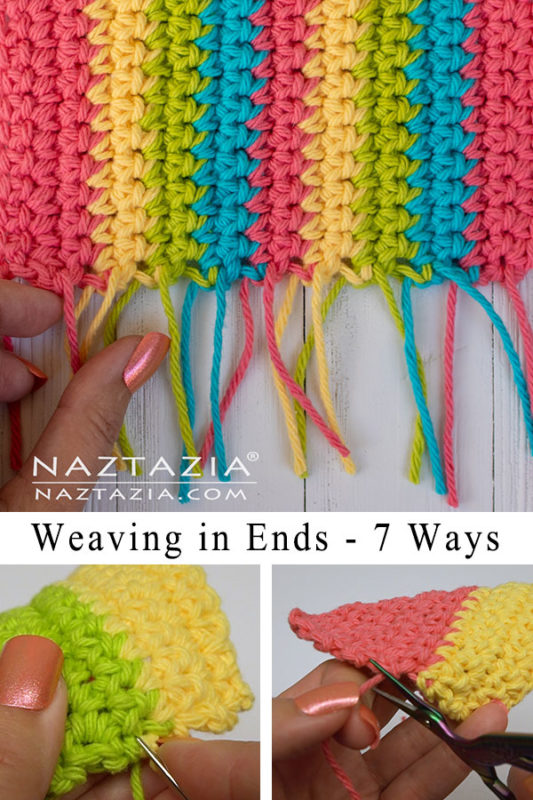
How to Weave in Ends for Crochet Naztazia

3 Ways to Weave in Ends in Crochet Stitches n Scraps
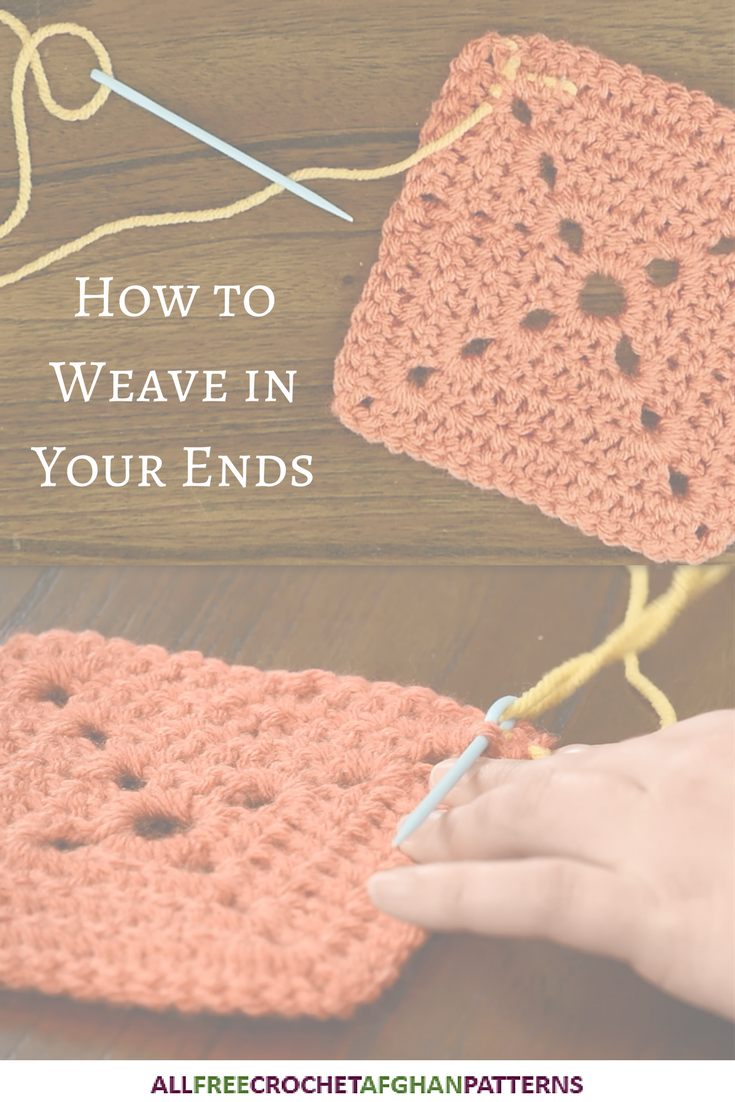
How to Weave in Ends (Crochet)
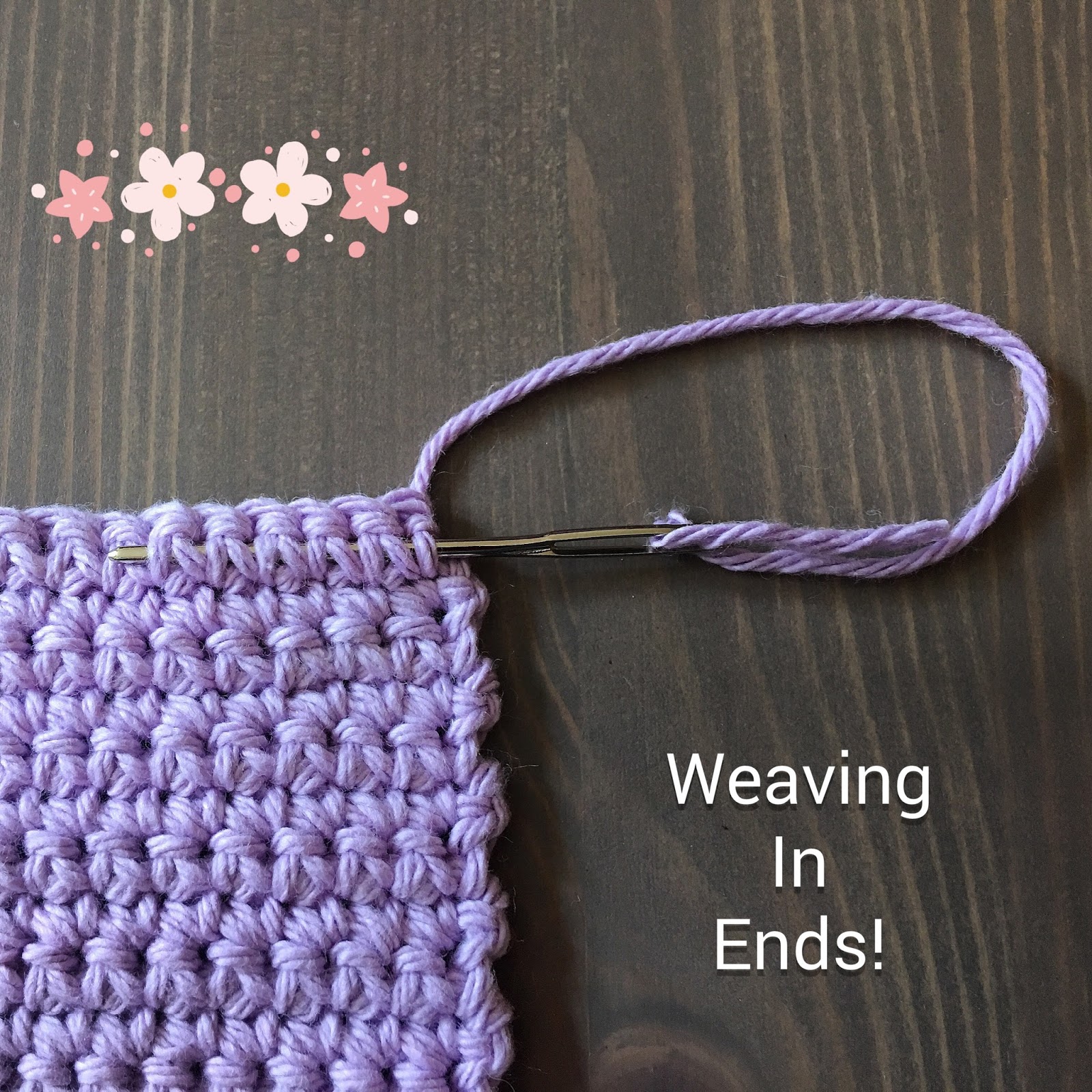
Introduction to Crochet Weaving in Ends

HOW to WEAVE in ENDS in CROCHET 7 Different Ways to Tie Yarn by

How to Weave In Ends Crochet Tutorial YouTube

How to Weave in Ends in Crochet the Safe and Secure Way!

How to WEAVE IN ENDS Perfectly & Easily that Won't Come Undone
Web Now Weave In Your Ends Is Something I Say On My Videos A Lot But What Exactly Does That Mean?
Try Weaving It Through The Dense Base Of Single Crochet Stitches, Where It’s Less Likely To Be Visible.;
So, When Creating Your Slip Knot At The Beginning, Make Sure To Leave A Generous Tail Of At Least 6 Inches.
You Have To Get Used To Hold The Crochet Project In A Way That Keeps The Yarn Ends Running Along With It.
Related Post: